
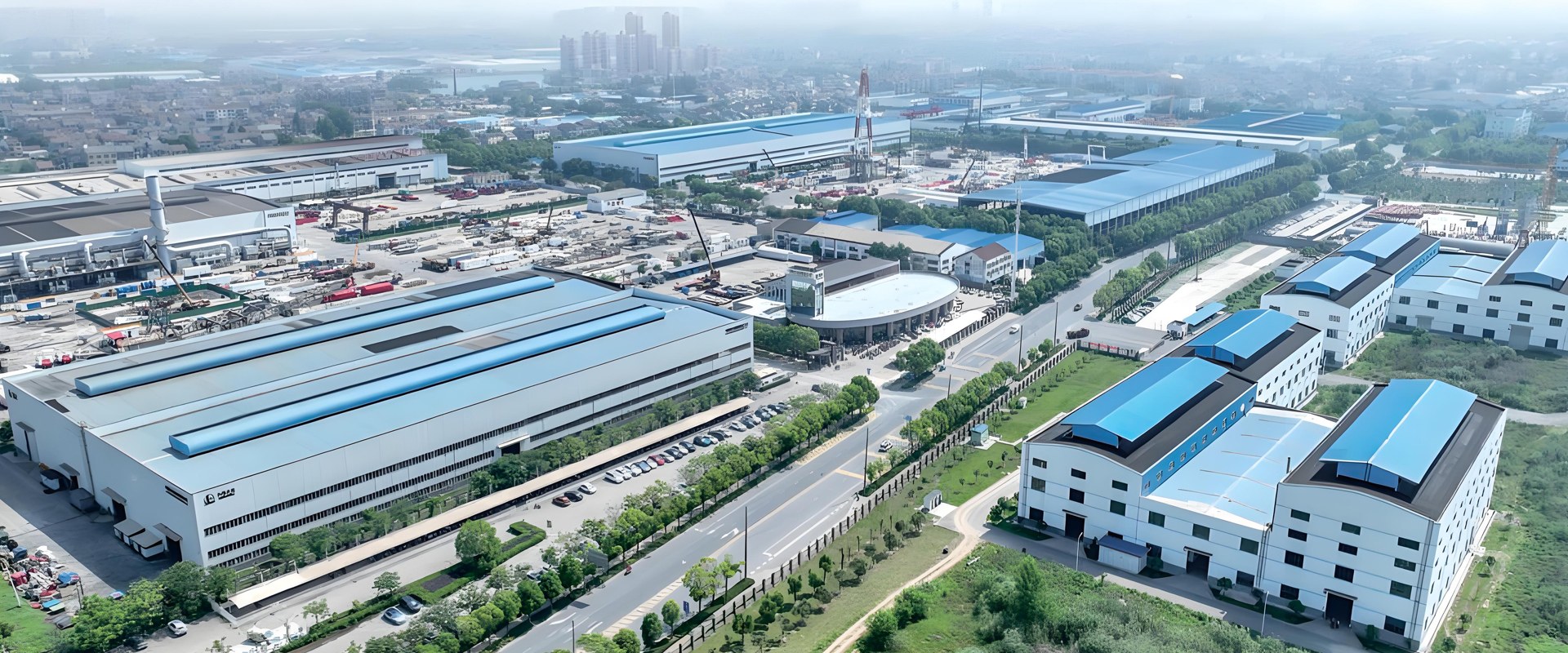

Oilfield Equipment Manufacturer Since 1941
R&D, manufacturing, and service for cementing equipment, fracturing equipment, pumps, downhole tools, intelligent control systems, environmental equipment, and lifecycle spare parts.
Choose Your Buying Path
The homepage routes different professional buyers to the shortest useful path instead of forcing everyone through a generic company introduction.
Procurement teams can start from product families, engineering teams can move directly to technical review, and service buyers can reach spare parts support without losing quote context.
I Need Equipment
Browse oilfield equipment by product cluster, application, and technical fit.
I Need Spare Parts
Move to pump wear parts, fluid ends, centrifugal pump parts, and compatibility paths.
I Need A Solution
Map field operation needs to equipment packages and service support.
I Need Engineering Help
Ask technical questions, send drawings, or request a datasheet.
Core Product Clusters
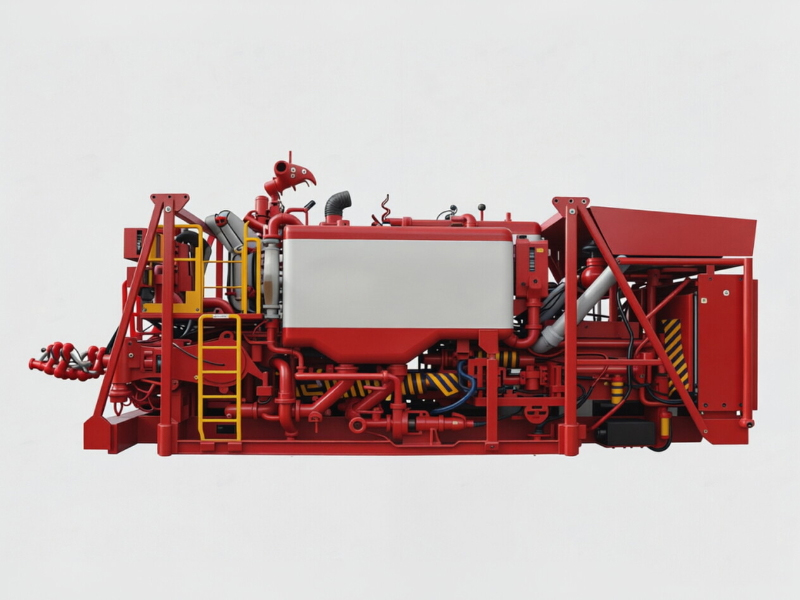
Oilfield Cementing Equipment
Single-pump, dual-pump, foam, mixing, low-temperature, and Zone II packages.
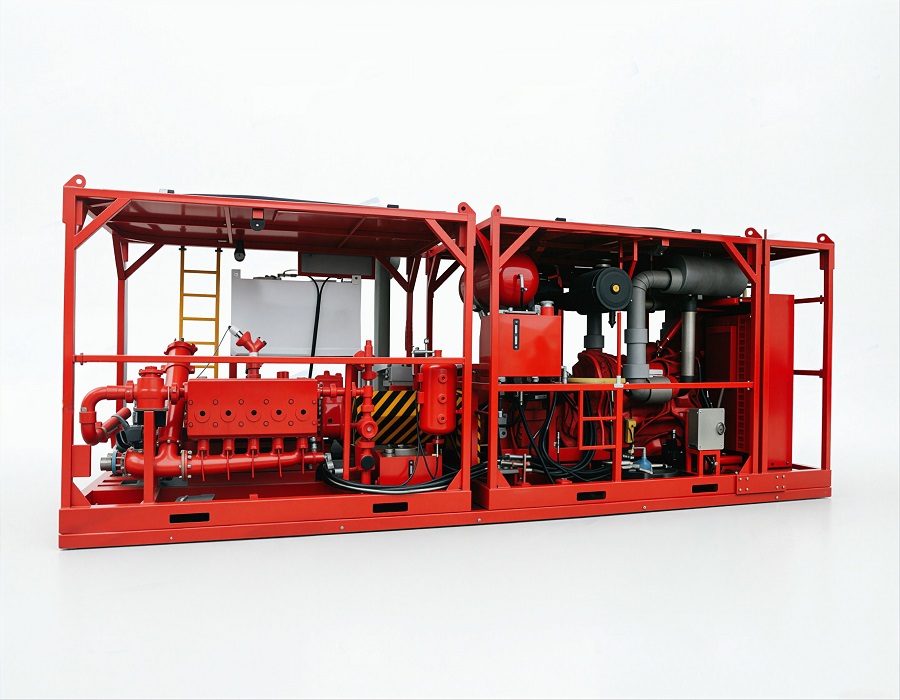
Production Enhancement Equipment
Fracturing, acidizing, nitrogen, blending, manifold, and dosing equipment.
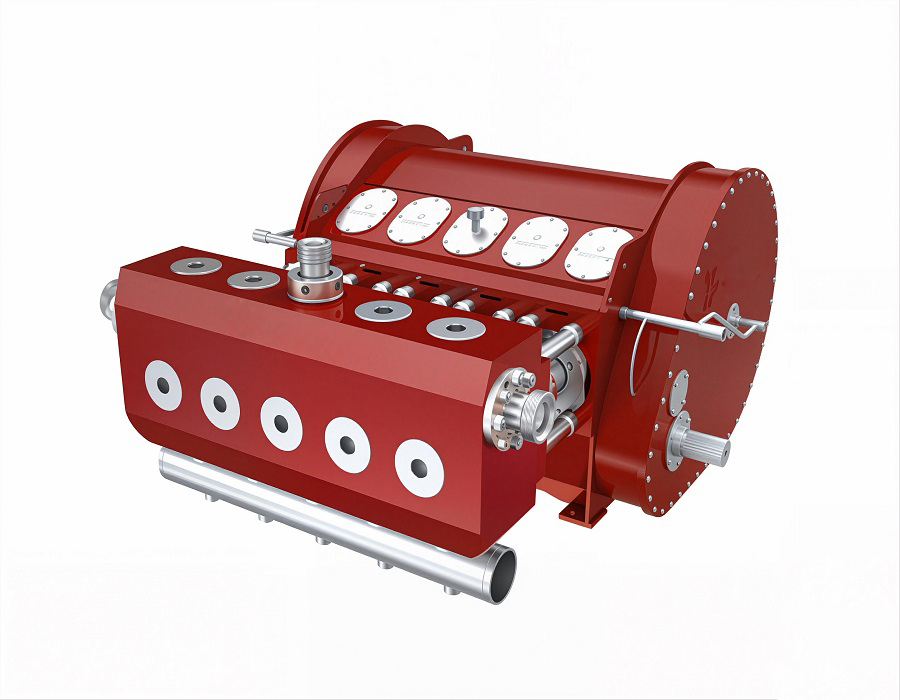
Pump Products
Plunger pumps, centrifugal pumps, fluid ends, components, and wear parts.
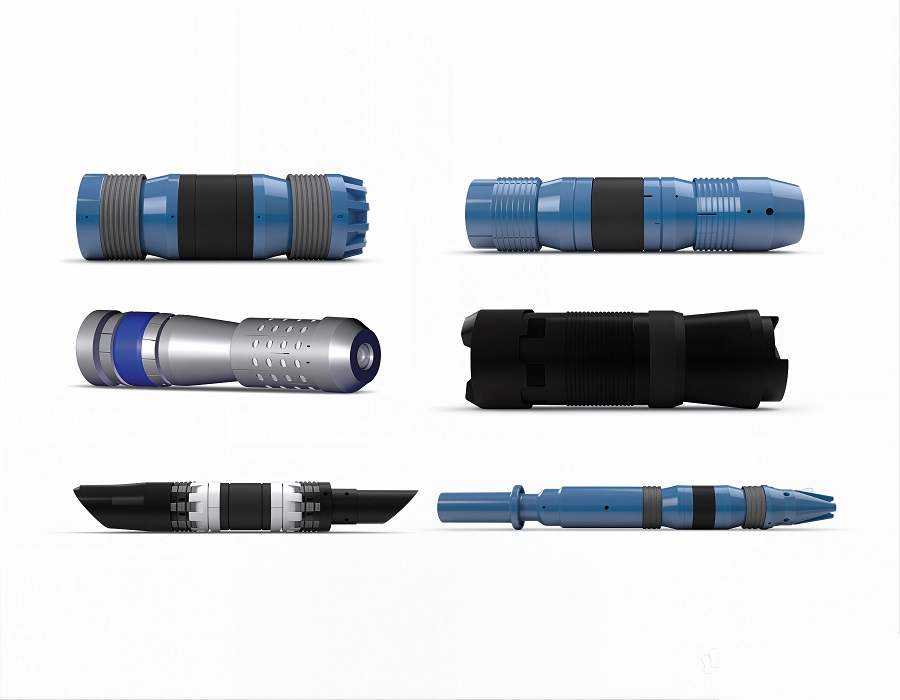
Oilfield Downhole Tools
Bridge plugs, packers, cement retainers, safety valves, and completion tools.
Manufacturing, Testing, And Quality Systems Built Into The Buyer Journey
Professional buyers need proof before they submit technical RFQs. Manufacturing capability, quality control, inspection, testing, traceability, and certification pages must be linked from product and solution pages.
- Factory overview and production process for supplier qualification
- Testing laboratory and inspection system for engineering review
- Certification and traceability pages for procurement approval

Prepare A Qualified RFQ
Share product interest, application, specifications, country, timeline, and drawings so the engineering and sales teams can respond accurately.
Supplier Qualification For Oilfield Equipment Buyers
Procurement managers and engineering teams usually evaluate an oilfield equipment manufacturer through a clear supplier qualification path before they request price, drawings or a project quotation. SJ Petroleum Machinery structures the website around that process: product scope, manufacturing capability, quality control, service support, spare parts, document requests and engineering consultation.
Product Scope Review
Buyers can start with cementing units, pressure pumping equipment, pump products, downhole tools, intelligent control products, environmental systems, geophysical exploration equipment and aftermarket parts. Each product path is connected to RFQ and technical review instead of a generic inquiry box.
Manufacturing And Testing Evidence
A professional buyer needs more than product names. The qualification path highlights factory capability, assembly workflow, inspection points, pressure testing, FAT preparation, material traceability, packing review and certification document requests where business-confirmed evidence is available.
Engineering Review Workflow
Engineering managers can send operating conditions, pressure and flow requirements, fluid medium, installation constraints, applicable standards, drawing references and required documents. This helps the response focus on configuration fit rather than a simple catalog reply.
| Buyer Role | Primary Question | Recommended Path |
|---|---|---|
| Procurement Manager | Can this supplier support qualification, export documents and reliable delivery? | About Us, Manufacturing & Quality, Request Quote, Document Request |
| Engineering Manager | Does the equipment match pressure, flow, medium, control and service requirements? | Products, Talk With Engineer, Datasheet Request, Technical Review |
| Maintenance / Parts Buyer | Can parts be identified by model, old part photo, drawing or part list? | Service And Parts, Request Parts Quote, Compatibility Review |
How Buyers Should Use This Website
The site is intentionally organized for staged decision making. A buyer can first confirm whether the supplier covers the right equipment family, then review manufacturing and quality capability, then move into a product or parts page, and finally submit a quotation or engineering request with enough technical data for a meaningful response.
This approach reduces low-value inquiries and helps professional teams discuss pressure rating, flow rate, mounting form, control system, spare parts, documentation, inspection expectations and export packing at the beginning of the process.
It also gives buyers a clearer checklist before contact: model reference, operating duty, destination country, drawings, document needs and expected delivery window.

What A Qualified Inquiry Should Include
For oilfield equipment, the best first response depends on the quality of the buyer's submitted information. A useful inquiry should include product family, preferred model if known, operating pressure, flow rate, fluid medium, mounting preference, destination country, required documents and expected delivery schedule.
Technical Data
Pressure, flow, temperature, medium, duty cycle, site condition and applicable standard help the team understand whether the equipment package is suitable.
Commercial Scope
Quantity, destination, required delivery window, packing requirement and documentation scope help procurement teams compare suppliers more accurately.
Document Request
Datasheets, catalogs, drawings, spare parts lists, certificates or inspection documents can be requested according to the product and project scope.
Engineering Review
Drawings, photos, equivalent model references and field conditions help the engineering team review configuration, compatibility and service requirements.
Start With A Clear Equipment Requirement
A qualified oilfield equipment discussion should identify the job type, required equipment family, pressure and flow expectation, mounting form, control preference, site condition, documentation needs, spare parts expectation and destination country. Providing this information early helps the response address technical fit, supplier qualification and procurement timing in one workflow.