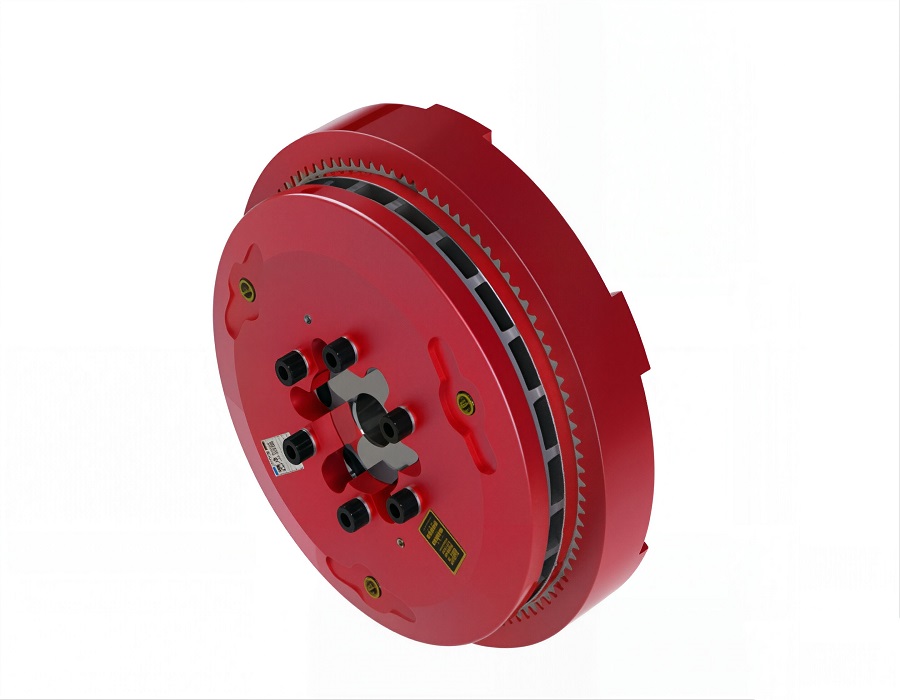
Conventional Clutch Torque Control Design | Professional Oilfield Equipment Manufacturer
Practical notes on conventional clutch torque control design for Conventional Clutch, with application context, technical checkpoints and custom order...
For oilfield buyers, conventional clutch torque control design is often a short label for a longer technical conversation. The discussion normally turns to Conventional Clutch, the site condition, the operating window and the drawings or data sheets that need to be checked before pricing.
A practical RFQ needs both commercial detail and technical detail. For Conventional Clutch, that usually means the job type, quantity, destination country, expected schedule, and the exact service or operating condition the equipment must cover.
Core Features & Technical Parameters
When evaluating conventional clutch torque control design, buyers should start with the duty point, not the keyword. For Conventional Clutch, the first checks are usually the pressure rating, flow or capacity, mounting form, connection type, materials and the documents needed to confirm the configuration. That is the point where engineering and procurement start speaking the same language.
The useful comparison for Conventional Clutch is not with a generic catalog item. It is with nearby options that sit in the same purchase basket, such as power take off clutch, spring applied disc brake and oilfield brake system. Buyers compare those items because the trade-off is usually one of duty fit, site logistics, service life and spare-part planning for conventional clutch torque control design.
Application In Oil & Gas Industry
Conventional Clutch Torque Control Design sits somewhere specific in the operating chain depending on the family: onshore drilling, offshore support, well servicing, cementing, stimulation, completion, pressure pumping, geophysical work or aftermarket maintenance. The practical fit is decided by site condition, pressure window, fluid medium, transport limit, safety review and the level of field support the buyer expects after shipment.
In many purchasing cases around conventional clutch torque control design, buyers also need to compare industrial clutch parts with the main package, confirm whether spare parts or wear parts are available, and understand what information is required for compatibility review. This is why the product page for Conventional Clutch is linked directly from this tag article.
Advantages Compared With Ordinary Petroleum Equipment
Compared with an ordinary page that only repeats a product name, a stronger conventional clutch torque control design resource explains why the equipment is chosen, what kind of job it fits and which technical details will decide the quote. That usually means configuration options, inspection scope, packing expectations and the support chain after delivery.
For Conventional Clutch, that narrows the first enquiry to the right evidence: duty point, torque control design, spring applied brake, service medium, drawings, old part references and the document set needed for oilfield transmission system.
Custom Service & Purchase Guide
To request a custom order or free quotation for conventional clutch torque control design, prepare the product name, model reference, application, operating condition, quantity, destination country, preferred delivery schedule and required documents. If the request involves replacement parts, add photos, drawings, nameplate details and installation position. If it is an equipment package, include site conditions, mounting preference, standards and inspection requirements.
For supplier comparison, ask how Conventional Clutch is reviewed before pricing: which drawings are checked, which inspection records can be prepared, how packing is handled, and how after-shipment parts support is arranged.
Data To Send With The First Enquiry
The cleanest quotation for conventional clutch torque control design usually starts with a short, practical data set. Buyers do not need to write a long brief, but they should avoid sending only a keyword. For Conventional Clutch, the first message is stronger when it names the product, the duty, the site condition and the commercial target in one place. That gives the supplier enough context to decide whether the request belongs to a standard unit, a modified package or a spare-parts supply case.
- Model or product name: Conventional Clutch
- Application focus: oilfield transmission system
- Technical checkpoints: oilfield clutch product, torque control design, spring applied brake
- Commercial points: quantity, destination country, target delivery window
- Reference files: drawings, datasheets, old part photos, inspection notes
The same data set also protects the buyer from a weak comparison for conventional clutch torque control design and Conventional Clutch. If the enquiry is about replacement parts, old part photos and installation position matter more than a broad description. If it is about a full clutch and brake package, site condition and package form matter more than a simple request for price.
When the supplier response is specific to oilfield transmission system and Conventional Clutch, procurement can compare schedule and cost while engineering can decide whether the application boundary for conventional clutch torque control design is clear enough to move forward.
Related reading for conventional clutch torque control design: Conventional Clutch Oilfield Clutch Product, Conventional Clutch Clutch And Brake, Industrial Brake Assembly Conventional Clutch. These internal references keep conventional clutch torque control design connected to nearby oilfield equipment topics without forcing the buyer through unrelated pages.
Send drawings, datasheets, model references or project requirements to SJ Petroleum Machinery to request a product catalog, engineering review or free quotation for conventional clutch torque control design.
Products Related To Conventional Clutch Torque Control Design
This product card connects Conventional Clutch Torque Control Design with the matching Clutch and Brake page, so buyers can move from keyword research to equipment review.