
Automatic Cement Mixing Skid
This page places Automatic Cement Mixing Skid inside Oilfield Environmental Protection Products and keeps the review practical: what it does, where it is used, and what needs to be confirmed before quotation or datasheet sharing.
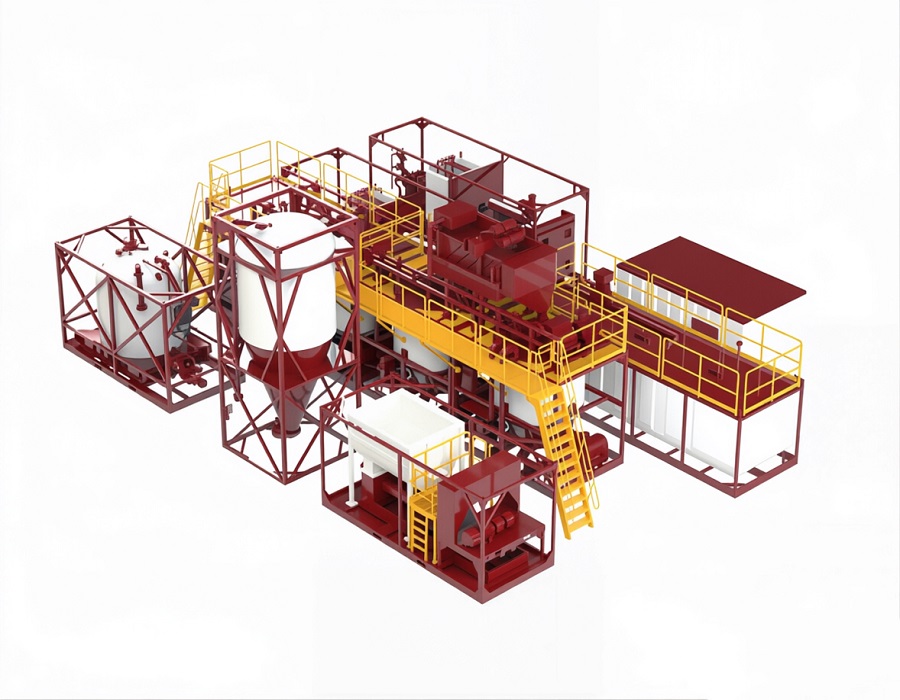
This page places Automatic Cement Mixing Skid inside Oilfield Environmental Protection Products and keeps the review practical: what it does, where it is used, and what needs to be confirmed before quotation or datasheet sharing.
Product Parameters
| Product Family | Oilfield Environmental Protection Products |
|---|---|
| Product Name | Automatic Cement Mixing Skid |
| Product Scope | Product Detail |
| Equipment Family | Oilfield environmental protection products |
| Typical Use | Cuttings treatment, conveying, separation, mud treatment or cement mixing support according to product type |
| Procurement Focus | Treatment objective, capacity, material type, site layout, utilities, compliance documents and service support |
| Documents To Confirm | Process flow, equipment layout, treatment capacity, utility requirement and inspection scope |
| Engineering Review | Pressure, flow, power, material, dimensions, standards and certification data are confirmed through engineering review for each quotation or datasheet request. |
Product Features
- Process-oriented equipment planning
- Supports site layout and project integration
- Focuses on treatment workflow and reliability
- Inquiry path captures material, capacity and site requirements
- Drilling waste and cuttings treatment
- Mud gas separation or enclosed conveying
- Site environmental control packages
- EPC or contractor environmental compliance projects
Buyer Review Notes
For Automatic Cement Mixing Skid, buyers usually check the duty window first: where the equipment sits inside Oilfield Environmental Protection Products, what it is expected to do on site and which operating condition will define the quotation. That is usually the step where procurement and engineering stop talking in general terms and start comparing real fit.
In the next step, the commercial file matters just as much as the technical one. Buyers often want the drawing package, packing expectation, delivery timing, spare-parts scope and any test record that supports supplier qualification. If Automatic Cement Mixing Skid is being compared with DTTD Drill Cuttings Thermomechanical Treatment Equipment, the comparison should stay on duty, not on catalogue language.
When the project is new or the site condition is still moving, it is better to send the supplier a small but exact data set than a broad keyword request. A good RFQ for Automatic Cement Mixing Skid should answer what the job is, where it will be used, what limits apply and what documents will be reviewed before release.
What To Send With The First RFQ
1. Job Scope
Describe whether Automatic Cement Mixing Skid will be used for drilling waste and cuttings treatment or for a related project condition. The supplier needs the duty before they can compare configuration.
2. Technical Boundary
Include pressure, flow, power, connection, material, dimension or temperature limits when they are known. Even a partial datasheet helps engineering choose the correct package.
3. Commercial Data
Add quantity, destination country, target delivery schedule, packing expectation and whether the order is for new equipment, replacement parts or a service package.
| RFQ Item | Why It Matters |
|---|---|
| Product name or model | Confirms the product family and avoids a wrong quotation. |
| Application or site condition | Shows whether the equipment is meant for drilling, cementing, stimulation, downhole work or another duty. |
| Drawing or photo | Helps identify compatibility when a formal part number is not available. |
| Inspection or certificate need | Lets the supplier prepare the right quality and shipping documents. |
FAQ
What is the normal buyer review path for Automatic Cement Mixing Skid?
Most buyers first confirm the application inside Oilfield Environmental Protection Products, then compare the technical boundary, documents and delivery scope before sending the RFQ.
What should procurement prepare before asking for a quotation?
Start with the model, application, destination country, quantity and any required inspection or packing note. A short but exact message usually gets a better technical answer.
What should engineering check first?
Engineering should check duty fit, connection or package form, pressure or capacity target, materials and any site-specific restriction that could affect supply.
Is a drawing or photo useful?
Yes. A drawing, nameplate photo or old part photo reduces guesswork and helps the supplier confirm whether the request is a standard unit or a custom case.
Can this page support a spare-parts request?
Yes. If the enquiry is for replacement items, include the equipment reference, old part mark, installation position and the quantity needed for the maintenance plan.