
Dual-Pump Cementing Equipment
SJ dual-pump cementing equipment is available in skid-mounted, truck-mounted and trailer-mounted configurations. The reference product description emphasizes convenient transportation, stable and reliable performance, simple operation and easy field service, making it suitable for cementing contractors who need flexible deployment formats.
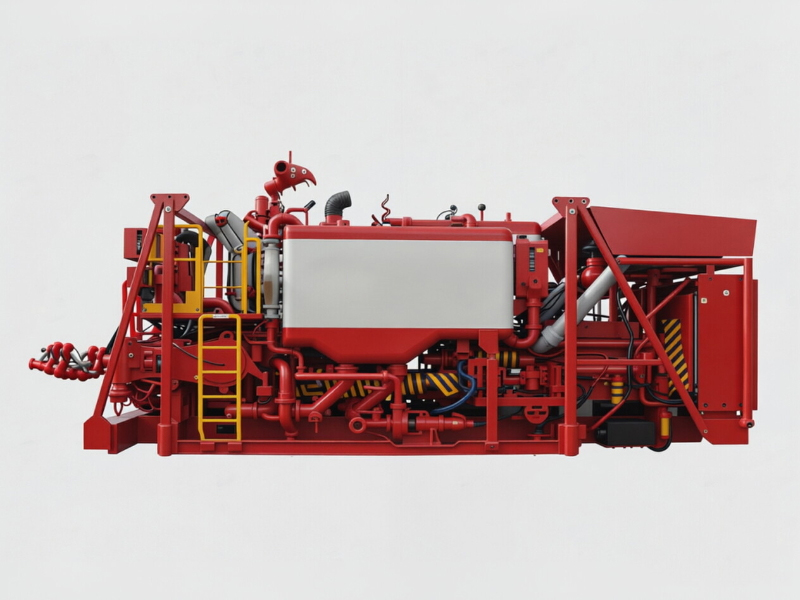
SJ dual-pump cementing equipment is available in skid-mounted, truck-mounted and trailer-mounted configurations. The reference product description emphasizes convenient transportation, stable and reliable performance, simple operation and easy field service, making it suitable for cementing contractors who need flexible deployment formats.
Product Parameters
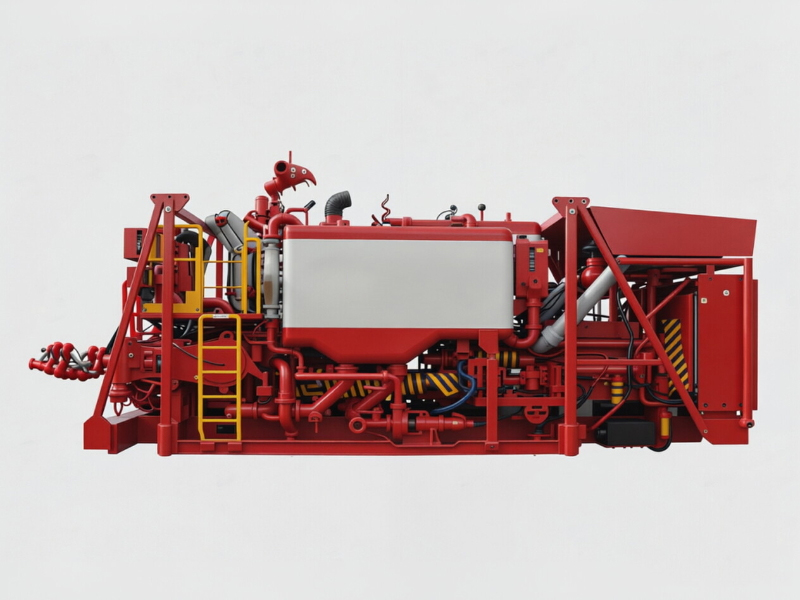
| Model | PCS-521B Dual-Pump Cementing Equipment |
|---|---|
| Product Family | Oilfield Cementing Equipment |
| Mounting / Form | Skid-mounted or package-mounted |
| Typical Use | Primary cementing and remedial cementing |
| Technical Data | Confirm pressure, flow, power, dimensions and standards with engineering datasheet. |
| Inquiry Data | Send operating condition, country, quantity, target delivery and document requirements. |
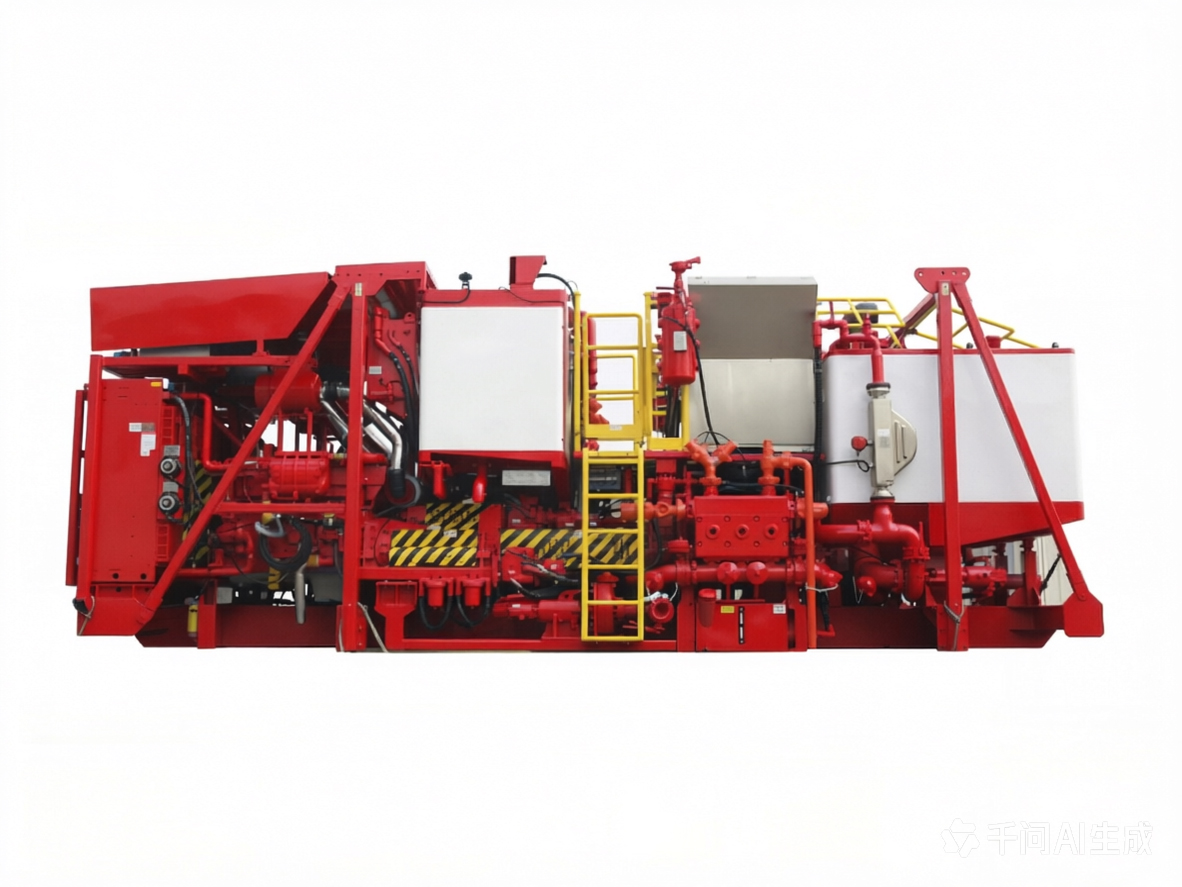
| Model | PCS-621B Dual-Pump Cementing Equipment |
|---|---|
| Product Family | Oilfield Cementing Equipment |
| Mounting / Form | Skid-mounted or package-mounted |
| Typical Use | Skid, truck or trailer mounted service packages |
| Technical Data | Confirm pressure, flow, power, dimensions and standards with engineering datasheet. |
| Inquiry Data | Send operating condition, country, quantity, target delivery and document requirements. |
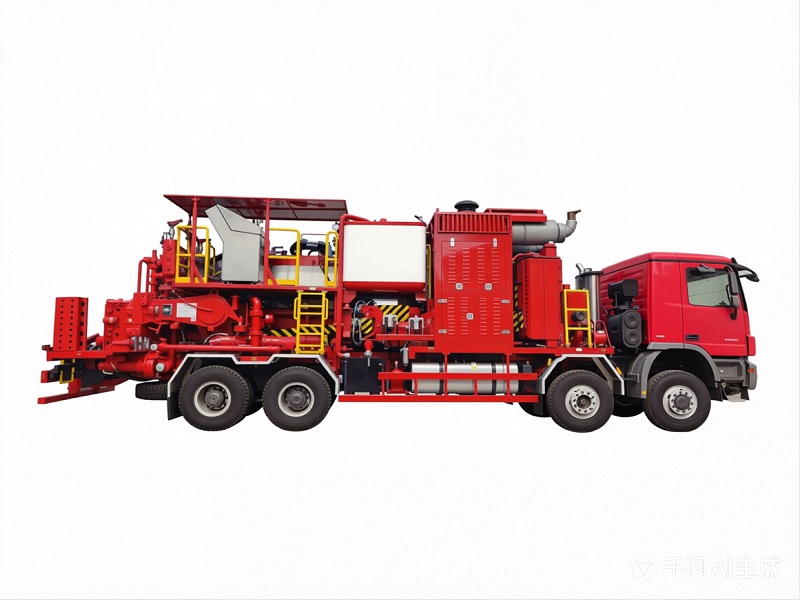
| Model | PCT-521A Dual-Pump Cementing Equipment |
|---|---|
| Product Family | Oilfield Cementing Equipment |
| Mounting / Form | Truck-mounted option |
| Typical Use | Integrated pumping, mixing and control workflows |
| Technical Data | Confirm pressure, flow, power, dimensions and standards with engineering datasheet. |
| Inquiry Data | Send operating condition, country, quantity, target delivery and document requirements. |
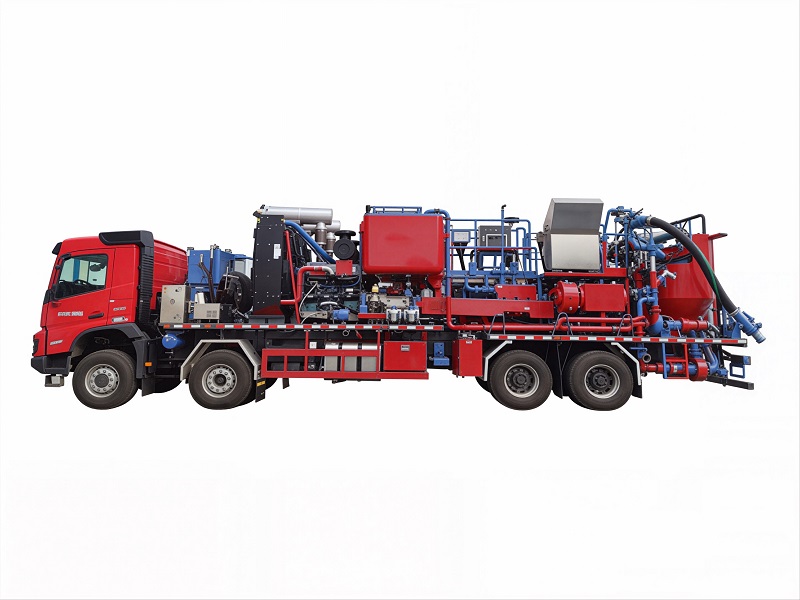
| Model | PCT-621A Dual-Pump Cementing Equipment |
|---|---|
| Product Family | Oilfield Cementing Equipment |
| Mounting / Form | Truck-mounted option |
| Typical Use | Field service packages requiring spare parts and technical support |
| Technical Data | Confirm pressure, flow, power, dimensions and standards with engineering datasheet. |
| Inquiry Data | Send operating condition, country, quantity, target delivery and document requirements. |
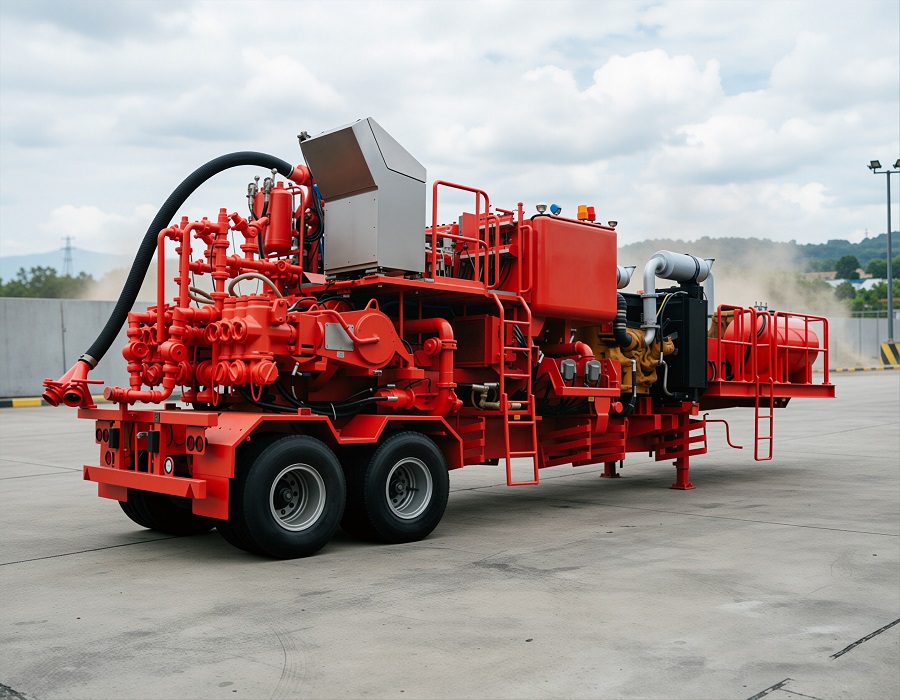
| Model | PCTLR-521A Dual-Pump Cementing Equipment |
|---|---|
| Product Family | Oilfield Cementing Equipment |
| Mounting / Form | Trailer-mounted option |
| Typical Use | Primary cementing and remedial cementing |
| Technical Data | Confirm pressure, flow, power, dimensions and standards with engineering datasheet. |
| Inquiry Data | Send operating condition, country, quantity, target delivery and document requirements. |
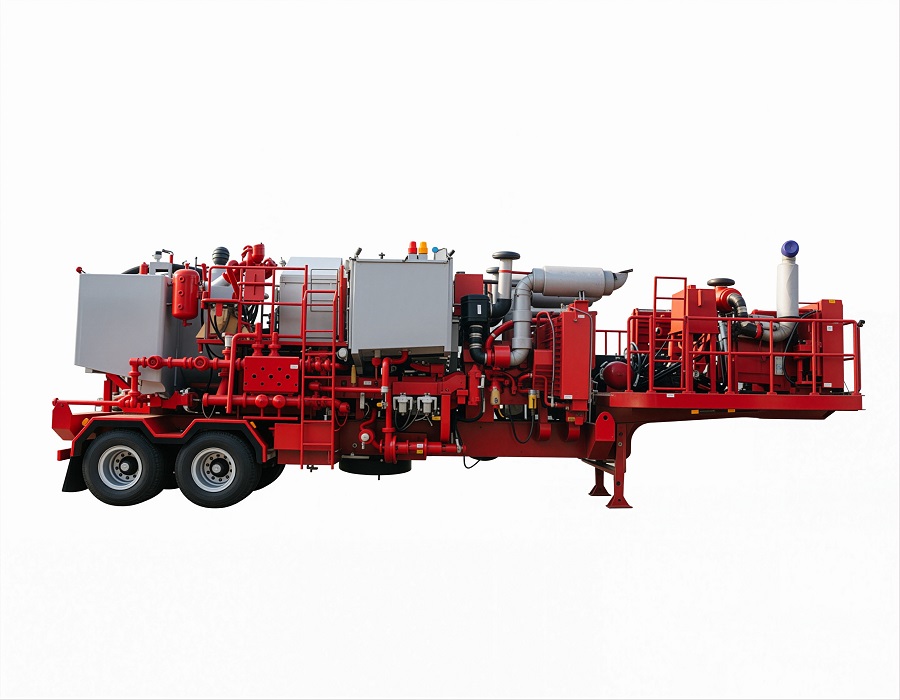
| Model | PCTLR-621A Dual-Pump Cementing Equipment |
|---|---|
| Product Family | Oilfield Cementing Equipment |
| Mounting / Form | Trailer-mounted option |
| Typical Use | Skid, truck or trailer mounted service packages |
| Technical Data | Confirm pressure, flow, power, dimensions and standards with engineering datasheet. |
| Inquiry Data | Send operating condition, country, quantity, target delivery and document requirements. |
Dual-Pump Cementing Equipment Optional Configuration
| Model | PCS-521B Dual-Pump Cementing Equipment | PCS-621B Dual-Pump Cementing Equipment | PCT-521A Dual-Pump Cementing Equipment | PCT-621A Dual-Pump Cementing Equipment | PCTLR-521A Dual-Pump Cementing Equipment |
|---|---|---|---|---|---|
| Configuration | Skid-mounted | Skid-mounted | Truck-mounted | Truck-mounted | Trailer-mounted |
| Application | Oilfield cementing operation | Oilfield cementing operation | Oilfield cementing operation | Oilfield cementing operation | Oilfield cementing operation |
| Product Family | Oilfield Cementing Equipment | Oilfield Cementing Equipment | Oilfield Cementing Equipment | Oilfield Cementing Equipment | Oilfield Cementing Equipment |
| RFQ Data | Confirm pressure, flow, power, dimensions, standards and delivery scope | Confirm pressure, flow, power, dimensions, standards and delivery scope | Confirm pressure, flow, power, dimensions, standards and delivery scope | Confirm pressure, flow, power, dimensions, standards and delivery scope | Confirm pressure, flow, power, dimensions, standards and delivery scope |
| Engineering Review | Engineering data is confirmed against the project datasheet before quotation | Engineering data is confirmed against the project datasheet before quotation | Engineering data is confirmed against the project datasheet before quotation | Engineering data is confirmed against the project datasheet before quotation | Engineering data is confirmed against the project datasheet before quotation |
| Product Family | Oilfield Cementing Equipment |
|---|---|
| Product Name | Dual-Pump Cementing Equipment |
| Product Scope | Product Category / Series |
| Reference Positioning | Skid-mounted, truck-mounted and trailer-mounted dual-pump cementing equipment |
| Model Examples | PCS-521B, PCS-621B, PCT-521A, PCT-621A, PCTLR-521A, PCTLR-621A |
| Buyer Value | Convenient transportation, reliable performance, simple operation and field service convenience |
| Equipment Family | Oilfield cementing equipment |
| Typical Configuration | Pump, mixing, control, manifold, engine or electric drive, and auxiliary systems according to project scope |
| Procurement Focus | Equipment form, model configuration, field condition, delivery schedule, spare parts and documentation |
| Documents To Confirm | Datasheet, general arrangement drawing, inspection scope, operation manual and service parts list |
| Engineering Review | Pressure, flow, power, material, dimensions, standards and certification data are confirmed through engineering review for each quotation or datasheet request. |
Product Features
- Skid, truck and trailer configurations are supported for different logistics requirements
- Designed for stable field performance and straightforward operation
- Useful for cementing service fleets that need model comparison and service support
- Primary cementing and remedial cementing
- Skid, truck or trailer mounted service packages
- Integrated pumping, mixing and control workflows
- Field service packages requiring spare parts and technical support
Buyer Review Notes
For Dual-Pump Cementing Equipment, buyers usually check the duty window first: where the equipment sits inside Oilfield Cementing Equipment, what it is expected to do on site and which operating condition will define the quotation. That is usually the step where procurement and engineering stop talking in general terms and start comparing real fit.
In the next step, the commercial file matters just as much as the technical one. Buyers often want the drawing package, packing expectation, delivery timing, spare-parts scope and any test record that supports supplier qualification. If Dual-Pump Cementing Equipment is being compared with PCS-521B Dual-Pump Cementing Equipment, the comparison should stay on duty, not on catalogue language.
When the project is new or the site condition is still moving, it is better to send the supplier a small but exact data set than a broad keyword request. A good RFQ for Dual-Pump Cementing Equipment should answer what the job is, where it will be used, what limits apply and what documents will be reviewed before release.
Selection Notes
Dual-pump cementing equipment is usually chosen when the job needs a stable slurry window, a clear backup path and enough flexibility to move between well locations without changing the whole service concept. In practice, that means the buyer is not only comparing a machine. The buyer is comparing how the cementing spread will behave once it is tied to trailers, trucks, pumping lines, site access and the maintenance routine at the field camp.
The form of the unit matters almost as much as the pumping package itself. A skid-mounted layout is easier to stage inside a controlled project yard, while a truck-mounted or trailer-mounted form can shorten mobilization time and reduce handling risk in remote areas. On long-distance projects, that difference can decide whether the equipment arrives in one move or becomes a logistics chain that needs extra lifts, inspections and approvals.
From an engineering angle, the main questions are not decorative. Buyers usually want to know how the pump set behaves under a real cementing schedule, how the control arrangement supports the mixer, how the manifold is laid out, and whether the package can keep its operating rhythm when slurry density or job pace changes during the shift. Those details affect the final quote more than a short catalog line does.
Procurement teams usually need a cleaner set of inputs before they can compare suppliers. They will ask for the drawing package, the packing list, the expected delivery window, spare parts scope, and the support path after shipment. If the project is overseas, they may also need a clearer answer on export packing, shipping dimensions and what has to be checked before release from the factory gate.
There is also a practical difference between a unit that only looks complete on paper and a unit that can be maintained on site. Cementing equipment is often compared by how easy it is to inspect the fluid path, reach wear parts, confirm hose routing and keep the field crew from wasting time on avoidable disassembly. That is why maintenance access is worth discussing before the order is locked.
For buyers who are narrowing a shortlist, the right comparison is usually between dual-pump cementing equipment and a smaller single-pump or more compact mixing arrangement. The larger package can improve flexibility on busy jobs, but it also adds weight, footprint and service planning. A good quotation should make that trade-off visible instead of hiding it behind a generic headline.
Another practical question is what happens when the job changes after the spread is already mobilized. In that situation, the value of dual-pump cementing equipment is its ability to keep the work moving without forcing a full equipment swap. A buyer should ask how the control layout, pumping line and mixing arrangement behave when the field team has to adjust the sequence or respond to a tighter schedule.
Spare parts also matter more than many early-stage enquiries admit. A quotation that looks attractive on day one can become expensive if the wear parts, seals, service access or standard maintenance items are unclear. The better supplier response will show what is stocked, what is made to order, how fast a critical part can be replaced and whether the field crew can handle routine service without waiting for a major shutdown.
For project owners, the most useful comparison is often not between two names in a catalog. It is between a package that looks complete on paper and one that can actually be delivered, commissioned and maintained in the destination country. That is why a serious review of dual-pump cementing equipment always ends with delivery route, support scope, technical handover and the way the supplier handles the first few months after shipment.
Before release, many buyers also want the FAT discussion to be simple and traceable. The checklist should cover visible inspection, functional checks, packing review, document handover and the spare-parts list that will travel with the unit.
What To Send With The First RFQ
1. Job Scope
Describe whether Dual-Pump Cementing Equipment will be used for primary cementing and remedial cementing or for a related project condition. The supplier needs the duty before they can compare configuration.
2. Technical Boundary
Include pressure, flow, power, connection, material, dimension or temperature limits when they are known. Even a partial datasheet helps engineering choose the correct package.
3. Commercial Data
Add quantity, destination country, target delivery schedule, packing expectation and whether the order is for new equipment, replacement parts or a service package.
| RFQ Item | Why It Matters |
|---|---|
| Product name or model | Confirms the product family and avoids a wrong quotation. |
| Application or site condition | Shows whether the equipment is meant for drilling, cementing, stimulation, downhole work or another duty. |
| Drawing or photo | Helps identify compatibility when a formal part number is not available. |
| Inspection or certificate need | Lets the supplier prepare the right quality and shipping documents. |
FAQ
What is the normal buyer review path for Dual-Pump Cementing Equipment?
Most buyers first confirm the application inside Oilfield Cementing Equipment, then compare the technical boundary, documents and delivery scope before sending the RFQ.
What should procurement prepare before asking for a quotation?
Start with the model, application, destination country, quantity and any required inspection or packing note. A short but exact message usually gets a better technical answer.
What should engineering check first?
Engineering should check duty fit, connection or package form, pressure or capacity target, materials and any site-specific restriction that could affect supply.
Is a drawing or photo useful?
Yes. A drawing, nameplate photo or old part photo reduces guesswork and helps the supplier confirm whether the request is a standard unit or a custom case.
Can this page support a spare-parts request?
Yes. If the enquiry is for replacement items, include the equipment reference, old part mark, installation position and the quantity needed for the maintenance plan.